
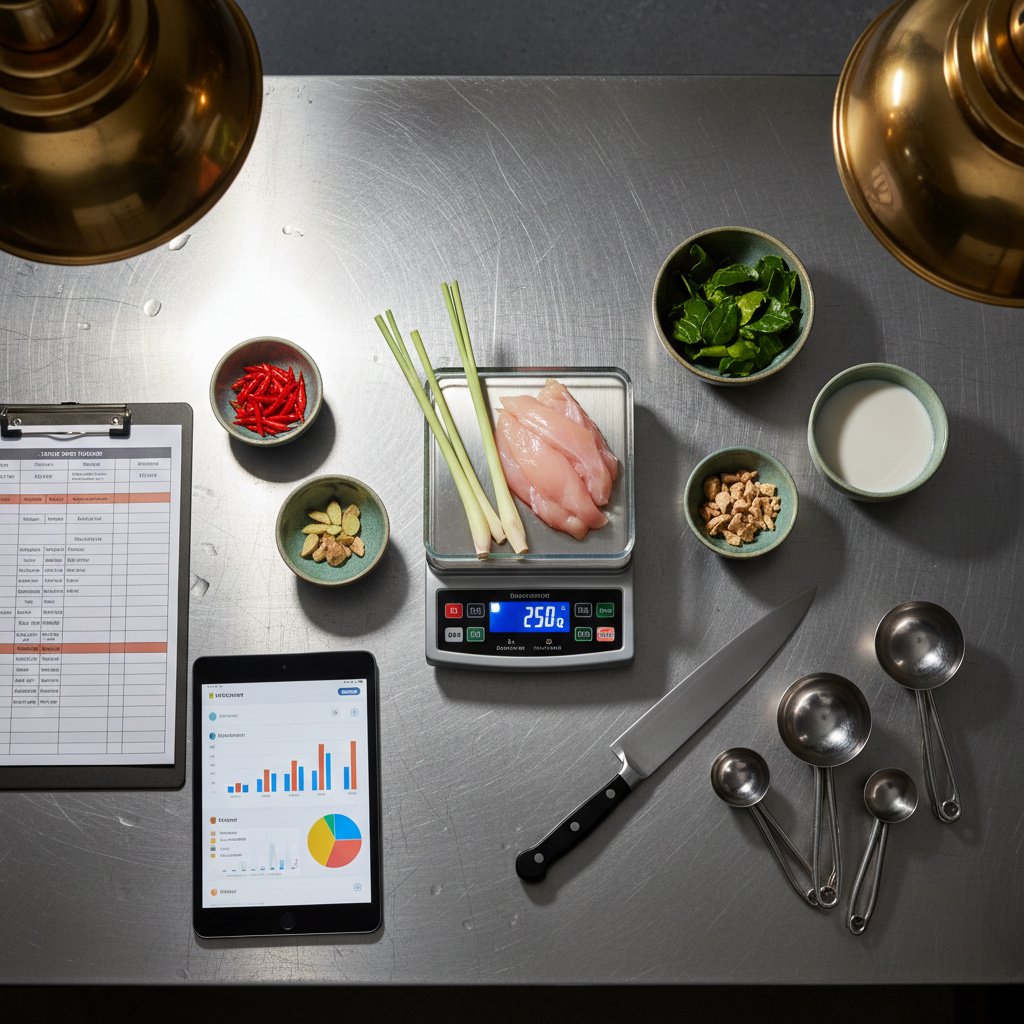
The Math Behind the Wok: Redefining Margin in Thai Kitchens
In the vibrant world of Thai cuisine, flavor is king. The delicate dance between sweet, sour, salty, bitter, and spicy requires high-quality ingredients—fragrant Jasmine rice, rich coconut cream, fresh holy basil, and premium proteins. Yet, for many Thai restaurant operators across the United States, passion often collides with a harsh economic reality: thin operational margins. Controlling your plate costs does not mean watering down your green curry or using inferior fish sauce; true Thai restaurant cost management is about measuring the authentic cost of every single dish and eliminating the hidden leaks that drain your bank account.
For independent Asian culinary concepts, maintaining a food cost control target between 28% and 35% is the benchmark of financial health. However, hitting that sweet spot requires more than gut instinct. If your wholesale chicken costs creep up 15 cents a pound and your line cooks use heavy hands with raw jumbo shrimp, your profit margins disappear overnight. Running a profitable Thai food business requires viewing your kitchen through two lenses: culinary excellence and operational precision.
The True Cost of Authenticity: Recipe-Level Costing
To reduce costs Thai restaurant, you must start where the plate begins: recipe-level costing. Many owners price their menus based on what the neighborhood competitor charges down the street. This is a dangerous gamble. Your neighbor may have different rent, different vendor terms, or worse, they may be quietly losing money on every order of Pad Thai.
Every single dish must have an itemized recipe card that accounts for every component:
- Core Proteins: Beef flank, pork shoulder, chicken breast, tofu, or seafood calculated by raw ounce and cooked yield.
- Produce & Herbs: Galangal, lemongrass, Thai eggplants, cilantro, and scallions.
- Pantry Staples: Fish sauce, tamarind paste, palm sugar, curry pastes, and coconut milk.
- The Hidden Extras: Cooking oil, wok aromatics (garlic and shallots), lime wedges, crushed peanuts, and takeout condiments.
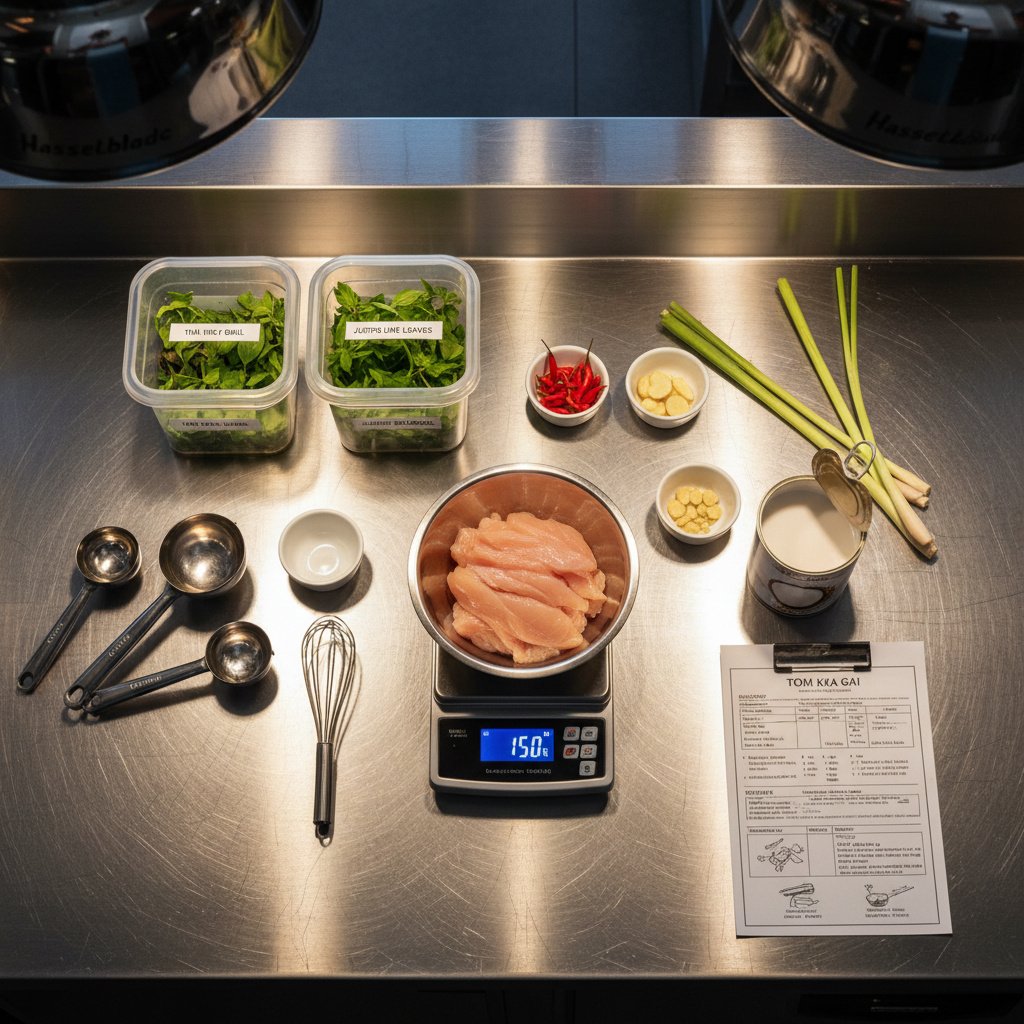
Cooked yield is where theoretical costs often diverge from reality. If you purchase five pounds of raw pork and, after trimming and par-cooking, you yield only 3.5 pounds, your cost per ounce is significantly higher than the wholesale invoice suggested. By calculating the true cost of raw ingredients against cooked yield, you establish an accurate baseline for menu pricing.
Taming Portion Drift on the Cook Line
Portion control is the single most effective daily lever to control food cost control Thai cuisine. Thai dishes rely heavily on high-cost, high-velocity ingredients. When a cook is working a scorching wok during a Friday evening rush, muscle memory dictates how much protein or sauce goes into the pan. If your line cooks add an extra half-ounce of shrimp or chicken to every Pad See Ew, and you serve 200 noodle bowls a day, you are literally throwing thousands of dollars into the trash every month.
Standardizing portions protects both your margin and customer consistency:
- Color-Coded Portion Scoops: Use designated measuring scoops for curry sauces, stir-fry master sauces, and fried rice.
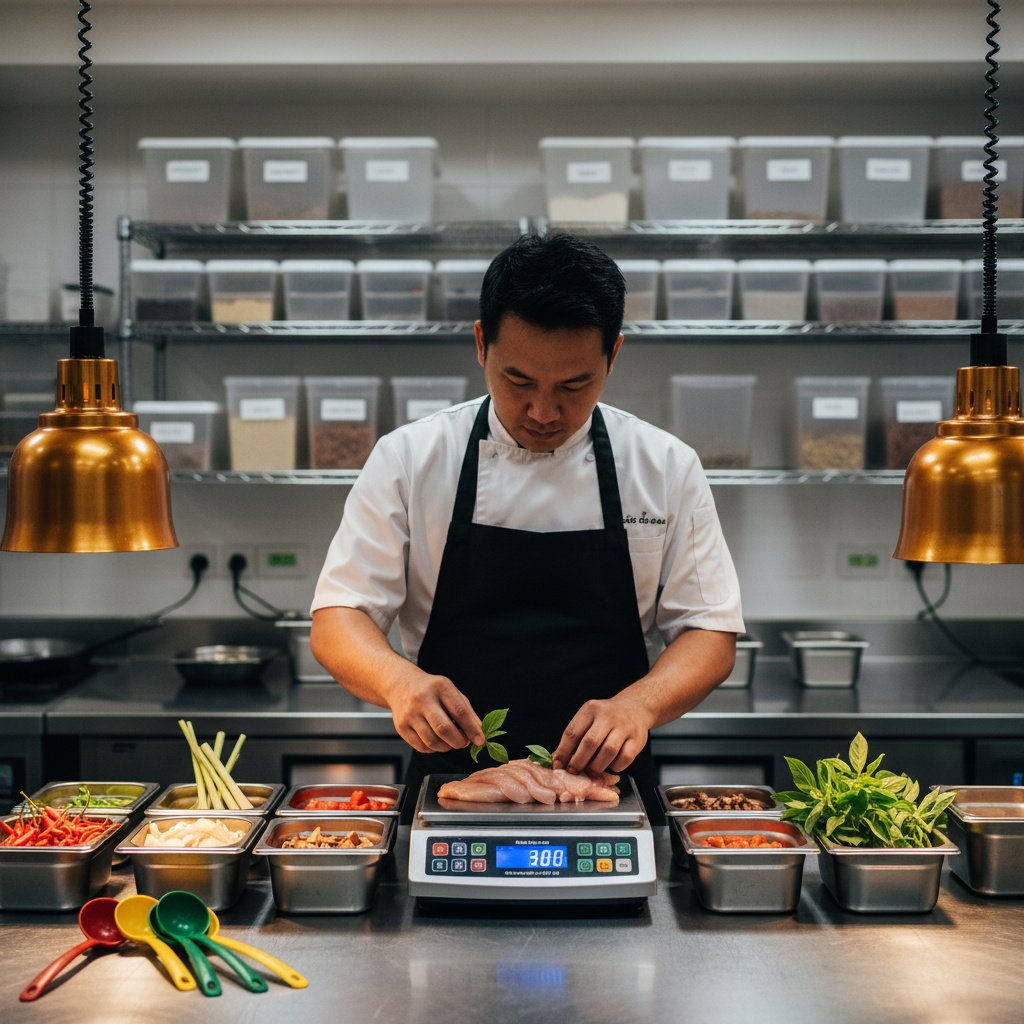
- Scale-Based Meat Prep: Pre-portion proteins into exact 4-ounce or 6-ounce portions during morning prep using reusable containers or portion bags.
- Garnish Discipline: Standardize high-cost garnishes such as roasted cashews, crushed peanuts, and fresh cilantro sprigs rather than allowing freehand sprinkling.
Rigorous Thai Restaurant Inventory Management
Monthly inventory reviews are insufficient for fast-paced Thai restaurants. Fast-moving staples—produce, fresh noodles, herbs, and proteins—spoil or fluctuate in price within days. Implementing weekly Thai restaurant inventory management catches cost spikes before they threaten your month-end profitability.
Enforce strict inventory protocols:
First In, First Out (FIFO): Ensure dry storage goods like Jasmine rice sacks, canned coconut milk, and rice stick noodles are strictly rotated. Date-mark all incoming wholesale deliveries clearly on the boxes.
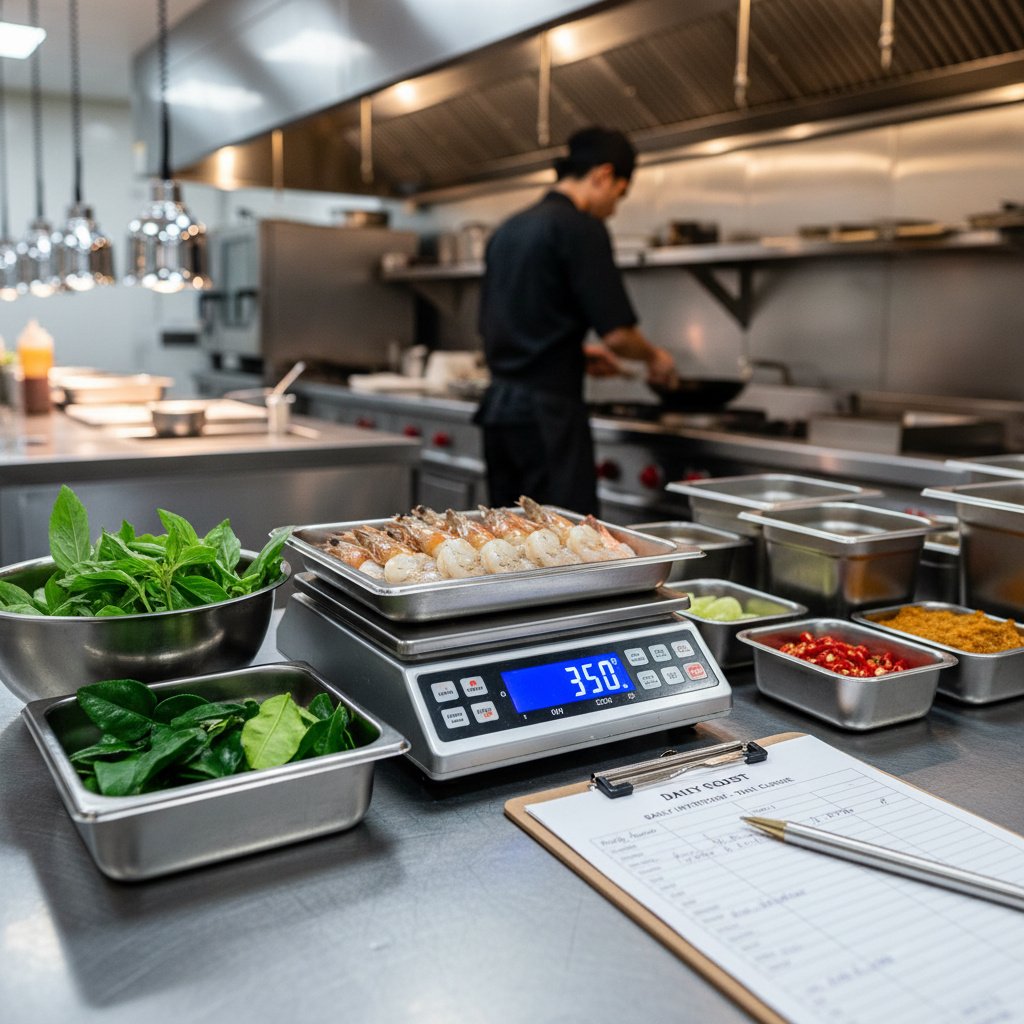
Active Waste Tracking: Keep a physical or digital waste sheet by the prep line and dish pit. Staff must log overcooked sauces, burnt noodles, dropped plates, spoiled produce, and incorrect customer tickets. You cannot manage what you do not measure; tracking waste reveals whether high food cost stems from over-portioning, theft, or poor prep estimation.
Tight Receiving Procedures: Train staff never to simply sign a vendor invoice. Weigh incoming meat boxes, verify case counts of coconut milk, and inspect delicate produce like Thai basil for freshness before accepting delivery.
Menu Engineering: Maximizing Contribution Margins
A smart Thai menu is not just a list of delicious dishes; it is a strategic sales tool. Many Thai dishes share overlapping pantry ingredients—garlic, chili, fish sauce, rice, and chicken—yet their contribution margins vary widely. Every quarter, analyze your sales data by categorizing dishes into four distinct quadrants based on popularity and profitability:
- Stars (High Popularity, High Margin): Often your staple curries (Panang, Green, Massaman) and vegetable stir-fries. Feature these prominently in your menu design and train servers to highlight them.
- Plowhorses (High Popularity, Low Margin): Typically your signature Pad Thai or specialty seafood plates. Recalculate your plate cost, trim the protein portion slightly, substitute lower-cost seasonal produce, or raise the price incrementally by 50 to 75 cents.
- Puzzles (Low Popularity, High Margin): Unique regional specialties like Larb Gai or specialized duck dishes. Rework the menu description, run them as weekend specials, or position them front-and-center.
- Dogs (Low Popularity, Low Margin): Dishes that require unique, non-cross-utilized ingredients and deliver low returns. Remove them entirely to reduce prep complexity and prevent inventory spoilage.
Calibrating for the Delivery Boom
Third-party delivery platforms can severely distort your food cost ratios. A Tom Kha soup or drunken noodle dish that runs at an acceptable 30% food cost for in-house dining can spike to an unsustainable 45% or 50% when factoring in third-party marketplace commissions, heavy-duty leakproof containers, sauce cups, plasticware, and bags.
To preserve profitability, implement delivery-specific adjustments:
- Packaging Cost Adders: Calculate the exact cost of your delivery packaging suite (often $1.00 to $1.75 per order) and build it into your delivery channel pricing.
- Tiered Channel Pricing: Where permitted, price your digital delivery menu slightly higher than your dine-in menu to offset delivery commissions.
- Curated Online Menus: Only offer dishes on delivery platforms that travel exceptionally well and maintain high contribution margins, leaving delicate, labor-intensive items exclusive to your dining room.
Preserving Craft While Securing Profit
Sustainable restaurant management is an ongoing practice of balance. By implementing precise recipe costing, setting up weekly inventory checkpoints, training line staff on portion control, and updating menu prices quarterly, you create a resilient operational foundation. You do not have to compromise the aromatic soul of your dishes to run a highly profitable Thai food business—you simply have to govern your costs with the same care and respect you bring to your cuisine.
Book a 15 minute discovery call to find out more today at https://digifidelis.com/calendar/

0 Comments