Why Thai Staff Bring More Than Just Flavors to the Table
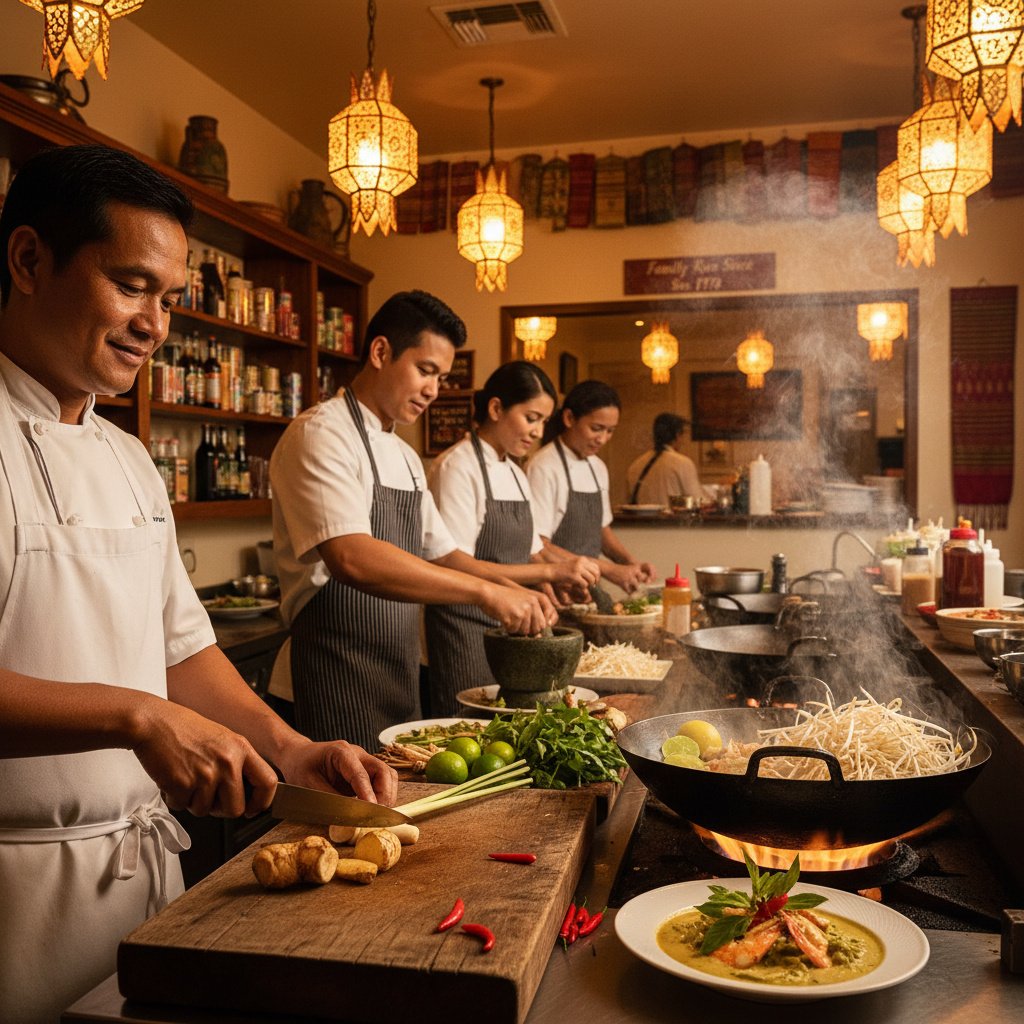
Imagine walking into a Thai restaurant in the heart of Los Angeles, where the air hums with the sharp tang of galangal and the sweet whisper of Thai basil. It’s not just the food that pulls you back—it’s the people behind it. Thai staff in American restaurants aren’t mere cooks; they’re the living bridge to Thailand’s vibrant culinary soul. For owners and employees chasing that elusive authentic Thai dining experience USA, hiring Thai workers transforms a spot from generic eatery to cultural landmark.
With nearly 5,000 Thai restaurants dotting the US—served by about 300,000 Thai Americans—this boom outpaces even Mexican or Chinese cuisines relative to population.6 Why? Thai staff preserve the real deal: techniques honed in Bangkok streets, spice balances that sing harmony, and stories that turn meals into memories. Let’s dive into why they’re indispensable.
The Roots: How Thai Immigration Built America’s Thai Food Scene
Flash back to the 1960s and 1970s. US-Thailand ties during the Vietnam War funneled students and immigrants stateside. In LA, early pioneers swapped Chinese ingredients for makeshift Thai dishes, sustaining themselves through restaurant gigs. Then came the game-changer: 1972’s Bangkok Market, importing lemongrass and galangal for the first time.3 Family kitchens evolved into hubs where Thai staff didn’t just cook—they guarded language, recipes, and traditions.
Picture young Thai expats folding spring rolls after school, learning to brew Thai iced tea under watchful aunts. These spots branded as “Thai-Chinese” to lure skeptical crowds, but authenticity won out.5 Pioneers like Tommy Tang fused bold flavors, expanding nationwide and proving Thai staff’s power to mainstream the cuisine.4 Today, Thai restaurant jobs USA offer more than paychecks; they anchor identity in hubs like California, Illinois, Michigan, Texas, and DC.
Government Backing: Thailand’s Investment in Global Authenticity
Thailand doesn’t leave its flavors to chance. Since the early 2000s, the Ministry of Commerce has trained chefs, streamlined ingredient exports, and promoted “Thai taste” worldwide. Diplomats even guide US owners—like John Sungkamee of Emporium Thai—on sourcing and strategy.2 This isn’t fluff; it’s a competitive edge.
Thai staff arrive equipped with government-endorsed skills: mastering regional recipes, adapting vegetarian twists without losing soul, or tweaking spice for American palates. They source rare ingredients through networks others can’t touch, slashing headaches for owners. Result? Menus that deliver genuine authentic Thai dining experience USA, drawing food tourists and locals alike.
Practical Wins for Owners: Hiring Thai Workers Pays Off
As a Thai restaurant owner, you’re juggling margins, turnover, and reviews screaming “not authentic enough.” Enter Thai staff. They slash training costs— no need to teach what took years to master. Lower turnover flows from passion; these folks live the cuisine, not just clock in.
Marketing gets a boost too. “Staff straight from Thailand” hooks customers craving realness. Data backs it: Thai spots thrive on this human element, capitalizing on 1960s military returns and early cookbooks like 1965’s “Thainese Cooking.”6 Customize proteins—chicken, beef, tofu—and watch diverse crowds return. One owner shared how his Thai chef’s pad see ew tweaks turned skeptics into regulars, boosting loyalty 30% overnight.
For hiring Thai workers restaurants, start practical: Tap expat networks via Thai temples or apps like ThaiJobsUSA. Offer competitive wages reflecting Thai expat employment benefits—community ties, cultural continuity, stable niches. Challenges like visas? Mitigate with H-2B options or family sponsorships, leveraging the 5,000-strong boom.
Employee Perspective: Jobs That Nourish Body and Soul
For Thai employees, these roles beat generic gigs. Beyond steady pay, they weave community: hosting Songkran parties, teaching kids Thai phrases over som tam. In family-run spots, staff become extended kin, sharing recipes passed down generations.
Take Michigan’s Thai towns—expats cluster, forming support webs. Thai restaurant jobs USA mean economic stability in a field where demand outstrips supply. One chef recounted arriving with $200, landing a sous role, now heading his own spot. It’s empowerment: turning homesickness into heritage-building.
Cultural Hubs: Beyond the Plate
Thai restaurants pulse as community hearts. Staff host language classes, tradition shares, even wedding catering with silk-clad servers. This cultural importance Thai staff American restaurants fosters loyalty—diners don’t just eat; they connect.
Early adaptations taught resilience: “Thai-Chinese” signs drew crowds, but Thai staff steered toward purity.5 Today, they navigate perceptions, blending bold chilies with approachable twists. Stats show ubiquity stems from this—immigrants filling pre-existing interest from exchanges and troops.1
Stepping Forward: Make Authenticity Your Edge
Owners, prioritize Thai staff to lock in that edge. Scout via Thai Trade events, build teams blending expats and locals for fresh insights. Employees, seek spots valuing your roots—they’re out there, thriving on your expertise.
In a sea of fusion fads, Thai staff anchor authentic Thai dining experience USA. They don’t just cook; they cultivate connections, turning restaurants into beloved institutions. Next time you sip that tom kha, thank the hands—and heritage—behind it. Your business, and community, will thank you too.
Book a 15 minute discovery call to find out more today at https://digifidelis.com/calendar/
References:
1. Springroll Blog
2. Vice
3. Thai Ginger
4. Splendid Table
5. Oh Joy
6. Unsunghistory Podcast
7. Asian Studies


0 Comments