
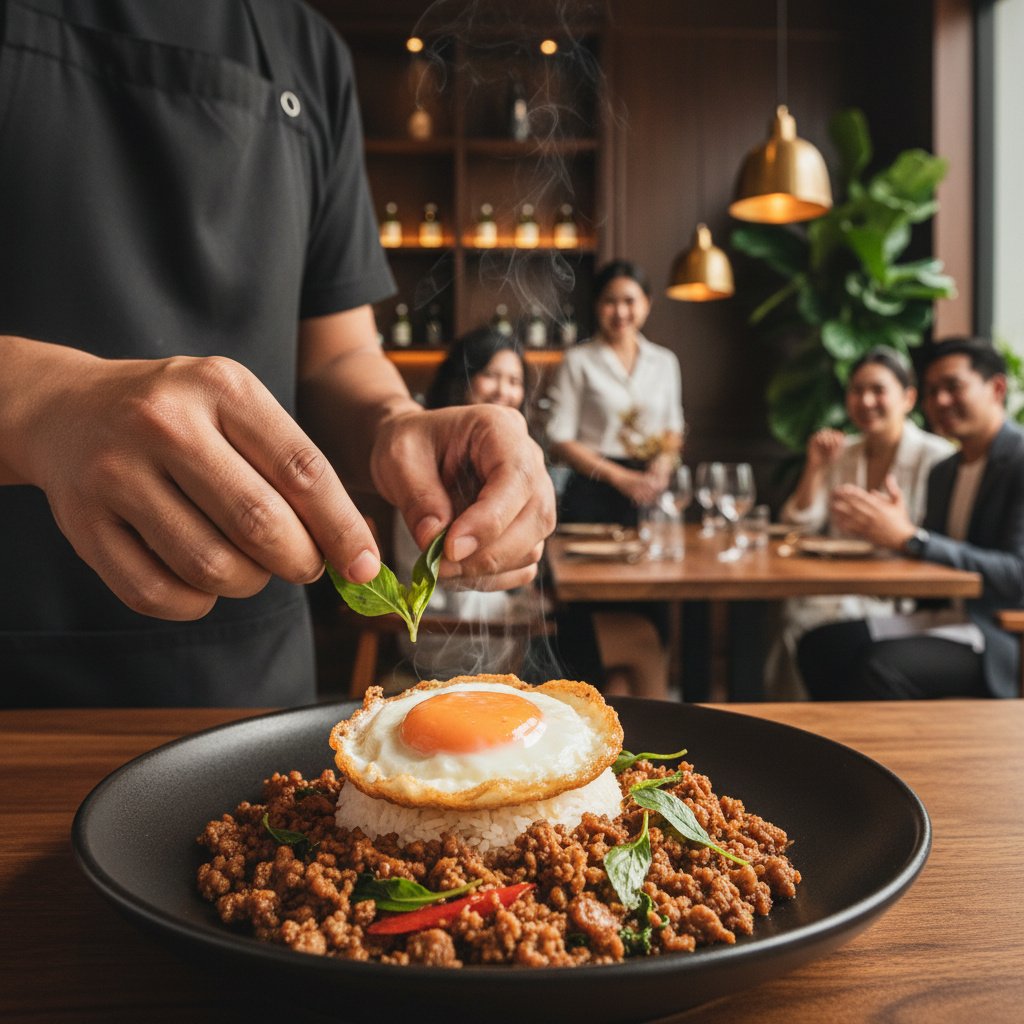
Walking into a professional kitchen for the first time is a sensory overload. The hiss of a hot wok, the sharp aroma of bruised galangal, and the rapid-fire chatter of a team moving in perfect synchronization. For a newly arrived Thai expat in the United States, that familiar scent of home can be a massive comfort. But how do you cross the bridge from being a newcomer to landing your very first payroll job in that environment? The transition from Thailand’s relaxed street-food culture to the fast-paced, highly regulated world of American dining can feel like learning a completely different language.
Consider the story of Yuwadee Poophakumpanart. Before she ever owned a successful restaurant in the Twin Cities, she did the hard, essential groundwork. She spent months learning regional culinary styles back in Thailand. When she arrived in America, she didn’t wait for a management role to drop into her lap. Instead, she took whatever honest opportunities she could find—working in school cafeterias, local bars, and neighborhood kitchens while continuously upgrading her English. She saved her money, earned the deep trust of her employers, and eventually spotted a closing cafe, bought the equipment, and opened her own spot. Her journey is proof that the first job isn’t just about survival; it is the launchpad for your American dream.
Step 1: Focus on Entry-Level, Relationship-Driven Roles
When you are looking for your first break, modesty is your strongest asset. Many employers offer aren’t filled through online recruitment portals. They are filled by people who show up and prove they can handle the physical demands of a busy shift. For your first gig, target accessible backend positions like kitchen prep, dishwasher, server assistant, or cashier support. Why start here? Back-of-house roles require far less conversational English, allowing you to build local work history while letting your natural work ethic do the talking. Prove you can keep a clean station and show up five minutes early every day, and you will quickly establish vital TRUST with the head chef.
Step 2: Create a Simple, High-Impact U.S. Résumé
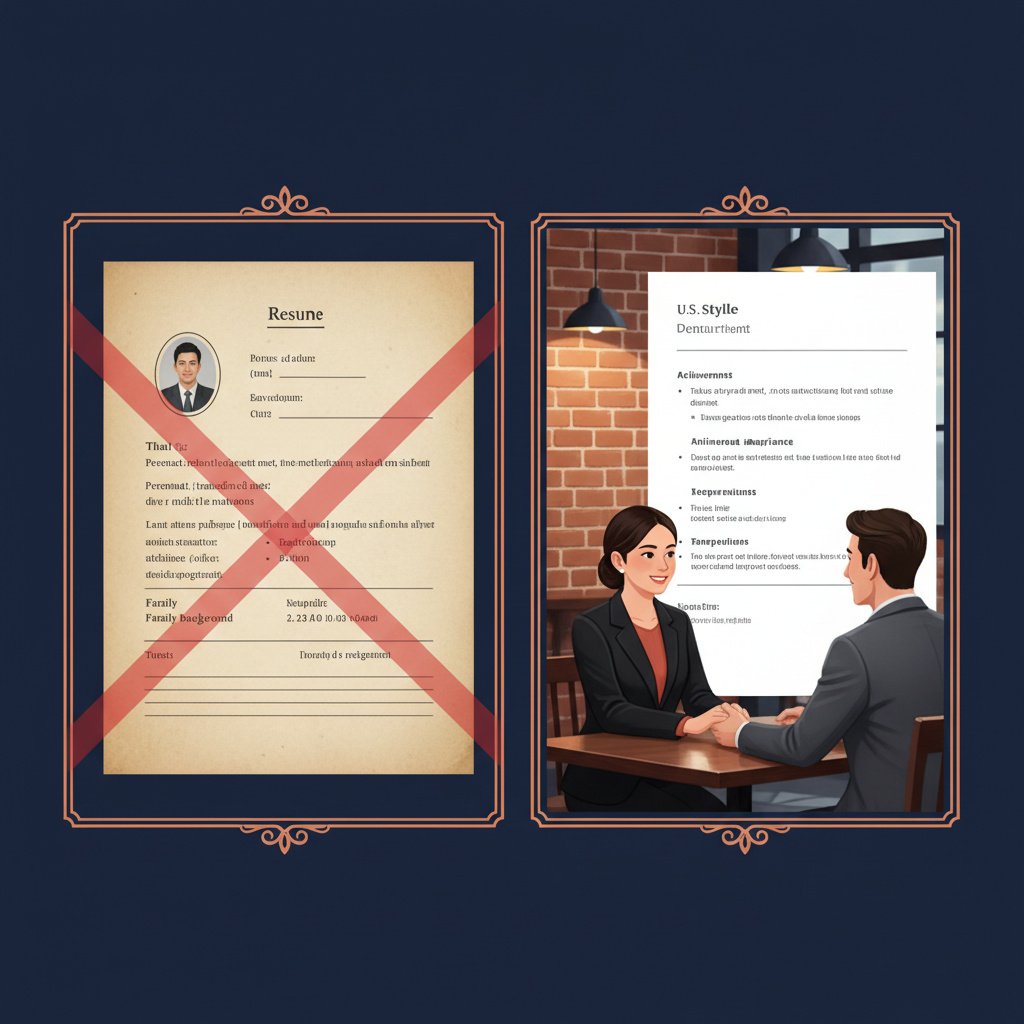
American employers look at résumés differently than Thai employers do. You do not need to include your weight, height, or a formal passport photo. Instead, keep it simple, clean, and highly practical. Focus on your real-world experience. Did you help at a family noodle stall in Chiang Mai? Did you learn regional curries from a local master? Write that down. Highlight your reliable character, your availability (showing you are free to work weekends and late shifts will place you on top of the pile), and a quick summary of your culinary skills. Keep it to one page. In this industry, hands-on passion and a disciplined attitude easily beat a fancy college degree.
Step 3: Master Basic Workplace English Daily
You do not need to speak perfect, accent-free English to get hired for entry level Thai restaurant work. However, treating basic workplace phrases as a strategic tool is a total game-changer. Spend fifteen minutes daily practicing how to describe food preparation, kitchen tools, and scheduling availability. Can you understand instructions like “prep thirty pounds of onions” or “sweep the back walk-in”? Practicing your responses to common interview questions will instantly boost your confidence. For restaurant owners reading this, consider pairing new expat hires with a seasoned, bilingual teammate for their first month. This simple step slashes onboarding mistakes in half and keeps premium talent from walking out the door due to simple communication mix-ups.
Step 4: Ditch the Screens and Walk In
If you only apply to jobs online, you are fighting a losing battle against a digital void. Hospitality is a face-to-face, heartbeat-to-heartbeat business. Have you ever noticed how the most successful people in this business operate? They make real connections. Print out ten copies of your simple résumé, dress neatly, and visit local Thai restaurants during their slowest hours—usually between 2:00 PM and 4:00 PM. Ask politely if you can speak briefly with the manager or owner. A warm, respectful smile and a firm, friendly handshake leave a lasting impression that a cold email simply cannot match. It shows initiative, courage, and real interest.
Step 5: Leverage Smarter Recruitment Channels
While walking in is highly effective, your job search will move faster if you combine it with modern, targeted networks. Avoid random social media boards that promise the world but deliver very little. Instead, use these specific Thai job search tips USA to focus your energy. Look into dedicated platforms like ThaiStaff.Now. Using targeted resources designed to bridge the gap between hard-working Thai talent and American restaurant owners saves weeks of frustration. Be highly cautious of online ads promising quick work visa sponsorships; while visa listings do exist, true legal sponsorship in the restaurant industry is complex and rare. Stick to proven, local channels and built-in community networks to keep your search safe and productive.
Step 6: Show Up as a Professional at Your Interview
When you get that interview call, treat it like gold. Show up ten minutes early. Dress neatly, keep your hair tied back, and bring a positive, cooperative energy. In American kitchens, managers hire for attitude and train for skill. They want to see that you respect the kitchen hierarchy, maintain emotional control under heavy rush-hour pressure, and want to learn. If you do not understand a question during the interview, do not just nod and smile. Politely ask, “Could you please repeat that?” Managers love honesty—it proves you care about getting the job done right the first time.
Step 7: Know Your Work Authorization Status
To secure a steady, high-paying career in the U.S. food service industry, you must ensure your work authorization paperwork is fully compliant with U.S. federal laws. Before applying, verify your legal right to work. Legitimate, successful restaurant owners run tight, compliant businesses and will expect you to fill out your tax paperwork and verify your legal status on your very first day of employment. Keeping everything completely legal protects both your future residency goals and the owner’s business credentials.
Step 8: Dominate Your First Thirty Days
Congratulations, you got the job! Now, the real campaign begins. Your goal during the first month is simple: become absolutely indispensable. Memorize the station prep guides, master the exact layout of the walk-in cooler, and learn the names of every key ingredient in English. Keep your head down, ask for feedback, and help your colleagues when your station is clear. Building great relationships with the front-of-house staff and kitchen crew now will pay massive dividends later when you need shift coverage or are aiming for a promotion.
Step 9: Play the Long Game
Remember, this first job is your bridge, not your final destination. It is the place where you build your English skills, save your initial capital, and learn how the American hospitality industry operates from the ground up. Use this time wisely to gather excellent professional references for your next steps as a first job Thai expat America success story. For restaurant owners, treating your entry-level team with real respect and providing clear paths to promotion is the ultimate retention strategy. Today’s kitchen prep cook could easily become your head chef—or even your business partner—tomorrow.
Avoid These Costly Mistakes
- The Silent Treatment: Trying to hide your struggle with English instead of asking for clarification. When in doubt, always ask.
- Overpromising on Skills: Claiming you can run the wok station when you have never held a wok ladle. Honesty is far safer.
- Skipping the In-Person Hustle: Relying entirely on casual internet postings instead of making face-to-face contact.
- Treating the Job as Disposable: Underestimating the power of positive local references. The Thai restaurant network in the USA is highly connected. Word travels fast.
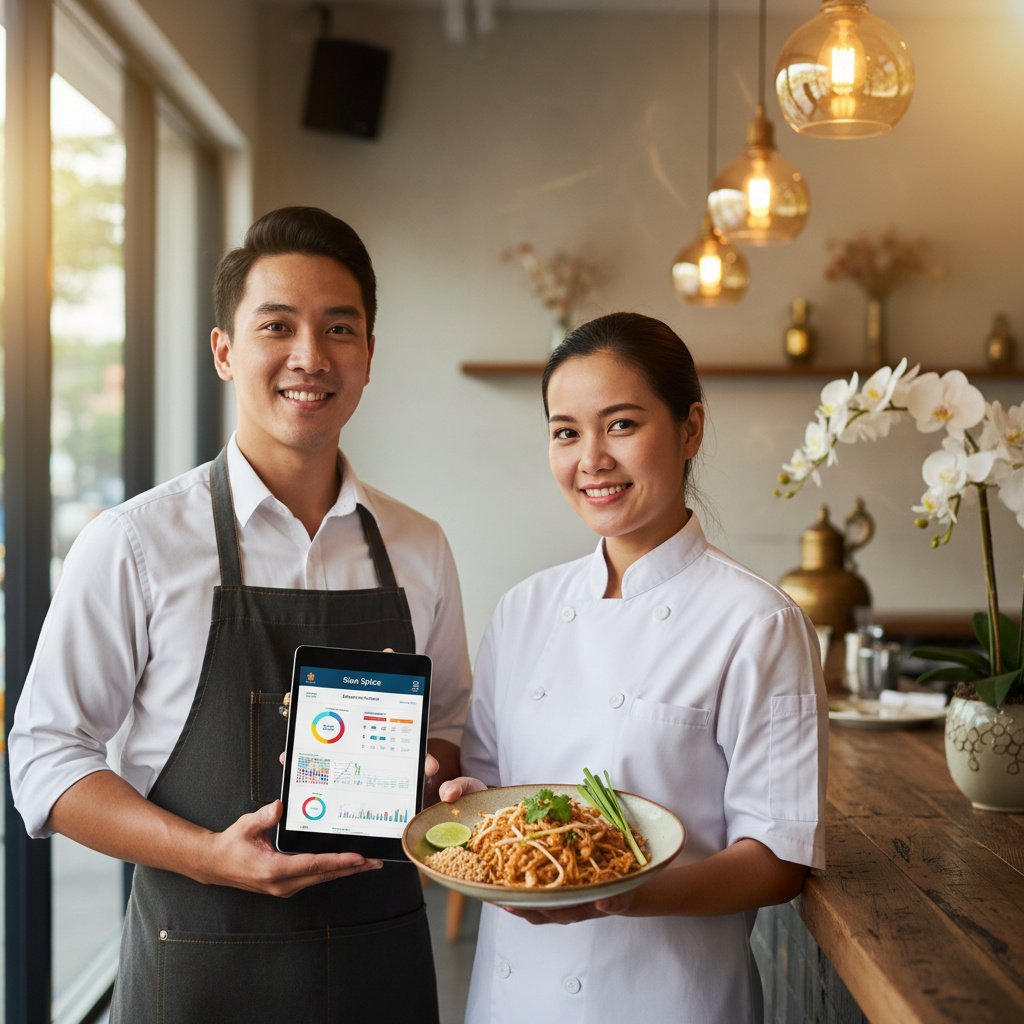
Your journey begins with a single, courageous step. Focus on making real human connections, showing absolute reliability, and using smart matching tools like ThaiStaff.Now. With determination, hard work, and the right approach, that bustling American kitchen will quickly feel like your second home. Now, print your résumés, step out the door, and build your MOMENTUM.
Book a 15 minute discovery call to find out more today at https://digifidelis.com/calendar/

0 Comments