
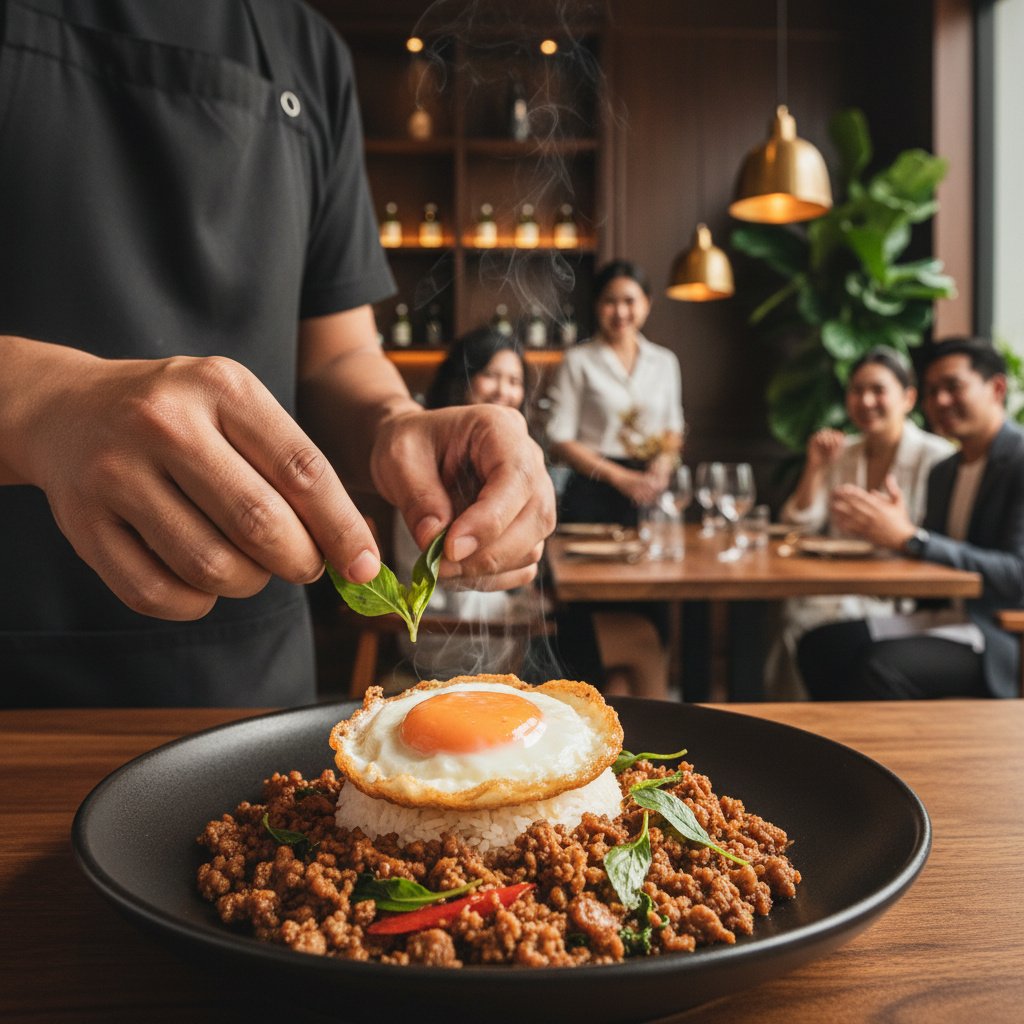
Walk into any bustling Thai restaurant in America, and you will hear a familiar symphony: the sizzle of fresh basil hitting a hot wok, the rhythmic chop of lemongrass on a cutting board, and the quiet rush of a kitchen operating at peak speed. But behind the scenes, many restaurant owners face a much quieter, more stressful challenge. The local labor market is tight. Finding skilled talent who truly understand the balance of sweet, sour, salty, and spicy in authentic Thai cuisine has become an uphill battle.
If you are an owner struggling to staff your kitchen, or an experienced cook in Thailand dreaming of bringing your culinary skills to the United States, you have likely looked into visa sponsorship. You also know that the immigration system can feel like a maze designed to keep you out. Let’s cut through the bureaucratic noise and look at the realistic pathways, the step-by-step processes, and the practical tools to make visa sponsorship work for your kitchen.
The H-2B Visa: The Practical Pipeline for Seasonal Kitchens
For most American Thai restaurants, the absolute workhorse of the visa system is the H-2B Temporary Non-Agricultural Worker Visa. Thailand is officially on the approved list of countries for this program, making it a viable and legal route for sponsoring skilled line cooks, prep cooks, and seasonal staff.
The H-2B visa is designed specifically for temporary or seasonal hiring needs. If your restaurant experiences a predictable surge in customers—perhaps because you are located in a bustling coastal tourist spot, a thriving ski town, or an area that sees massive summer foot traffic—this is your go-to option. It allows you to bring talented workers to the U.S. for an initial stay of up to nine months, with the ability to extend their stay for up to three continuous years.
To secure an H-2B visa, employers and workers must navigate a strict three-step dance:
- Step 1: Labor Certification. The restaurant owner must prove to the U.S. Department of Labor (DOL) that they actively tried to hire local American union or non-union workers first, but simply could not find enough qualified applicants.
- Step 2: The USCIS Petition. Once the DOL approves the temporary labor certification, the employer files Form I-129 (Petition for Nonimmigrant Worker) with U.S. Citizenship and Immigration Services. This step carries a development filing fee of $460, and if you are in a rush, you can pay a $2,500 premium processing fee to speed up the government’s timeline.
- Step 3: Embassy Interview. Once approved, the worker applies at the U.S. Embassy or Consulate in Thailand, proving they have ties to their home country and fully intend to return once the seasonal work permit expires.
The J-1, E-2, and EB-3: Alternative Routes for Specialized Talent
While the H-2B is perfect for seasonal staffing, other business models require different solutions. If you need highly specialized culinary experts or long-term staff, you should consider these alternative visa pathways:
For young culinary graduates in Thailand, the J-1 Trainee or Intern Visa serves as an incredible professional highway. It is structured as an exchange program rather than a permanent employment route, allowing younger cooks to train in American kitchens for up to 18 months. It requires a pre-approved sponsor and a highly structured, logical career training plan. It is ideal for modern kitchens looking to mentor fresh talent without long-term sponsorship commitments.
If you are a high-level head chef or a specialized manager seeking a Thai work visa USA restaurants pathway, the E-2 Treaty Investor Visa might be the answer. Because Thailand holds a treaty with the U.S., a qualified Thai-owned restaurant can sponsor specialized managers or essential skilled chefs who possess rare, non-entry-level culinary skills crucial to the success of the business.
For permanent, legal residencies, there is the EB-3 Visa. This pathway is a long-term investment, requiring significant time, paperwork, and financial backing from the employer. However, if you find a Master Chef with an incredible portfolio, verified references, and rare skills, the EB-3 pathway provides a way to secure their culinary brilliance in your kitchen permanently.
Strategic Matchmaking: Finding and Securing the Right Talent
Sponsoring a visa is only half the battle; finding the right person to sponsor is where the magic happens. A successful international recruitment campaign requires looking for more than just someone who knows how to hold a knife. For 2026 and beyond, the most competitive candidates must build a professional, Western-ready profile.
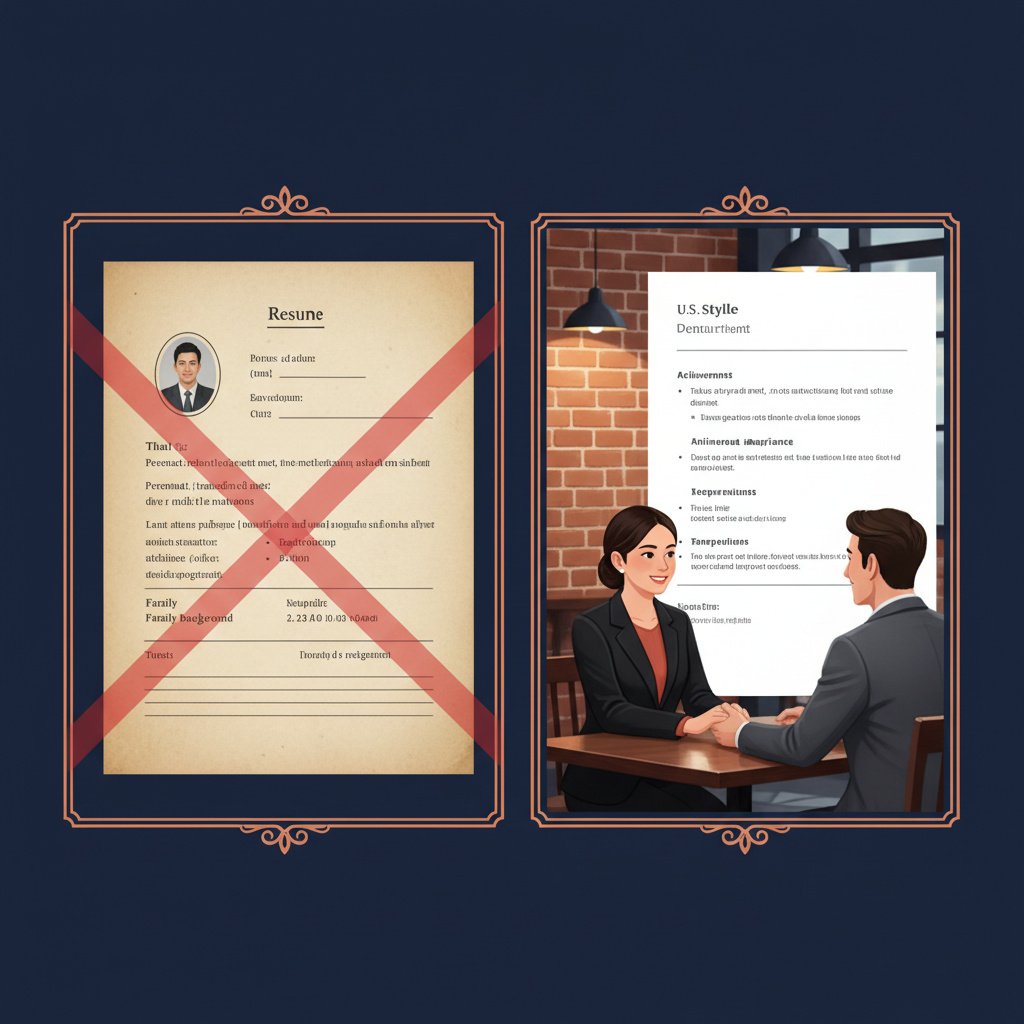
If you are a Thai cook looking for Thai restaurant sponsorship jobs, your resume must stand out. You need a modern, professional resume accompanied by high-quality, vibrant food photographs, sample menus you have developed, and authenticated culinary certificates. Basic to functional English communication is also vital for ensuring smooth, safe operations in a fast-paced American kitchen.
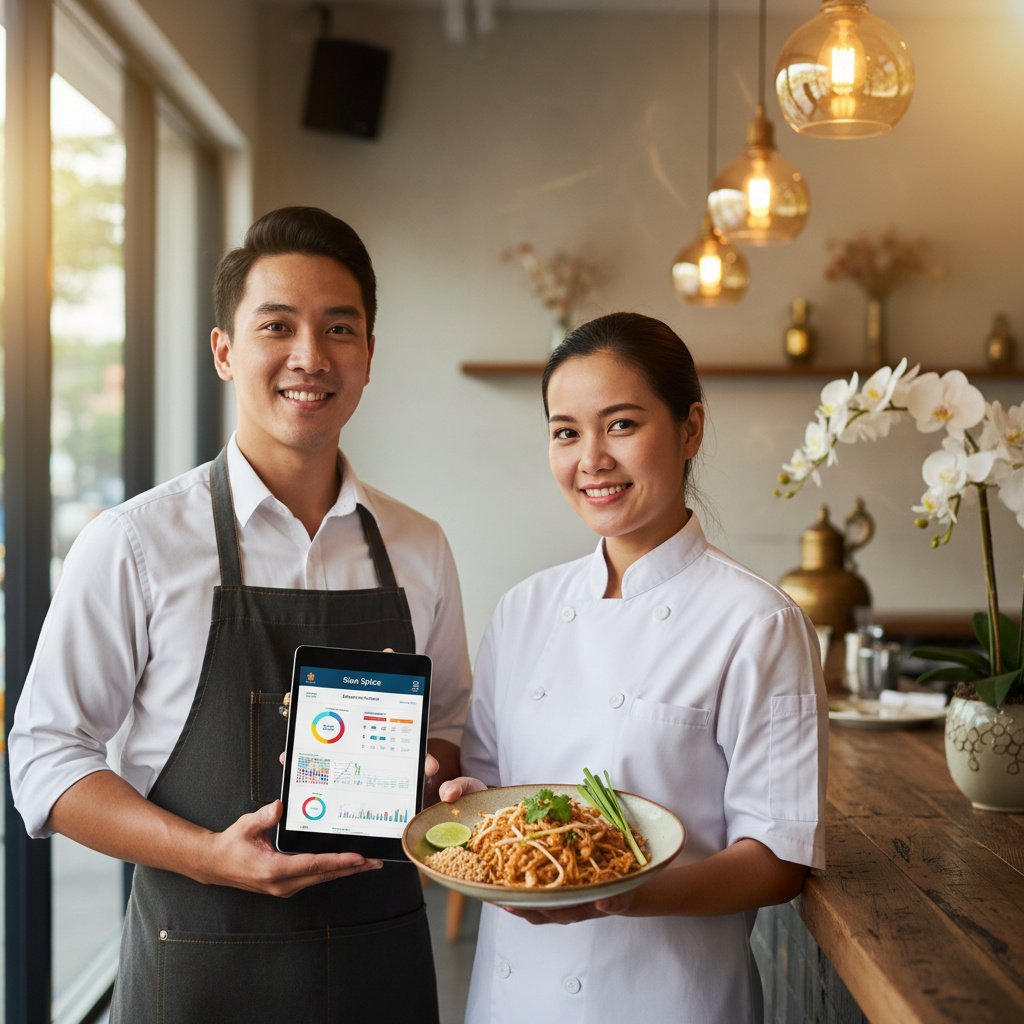
For restaurant owners, trying to manage international recruitment alone can be overwhelming. Fortunately, specialized platforms and agencies can bridge the gap. Digital matching services like Migrate Mate help connect international hospitality workers directly with verified employers looking to sponsor H-2B visas. Organizations like Alliance Abroad also partner with local businesses to streamline the paperwork and source top-tier seasonal culinary talent directly from overseas.
Evaluating Your Options
To help you decide which path fits your restaurant’s current needs, here is a quick breakdown of how these visa types compare:
| Visa Pathway | Primary Use Case | Maximum Stay Limit | Key Limitation |
|---|---|---|---|
| H-2B Visa | Seasonal, high-volume kitchen staff (line cooks, prep cooks) | 3 Years (via annual extensions) | Strict annual cap of 66,000 visas; requires seasonal proof |
| J-1 Visa | Young culinary graduates and hospitality interns | 18 Months | Must follow a structured, non-permanent training plan |
| E-2 Visa | Executive chefs, culinary managers, and specialists | Indefinite (renewed every few years) | Requires a qualifying Thai-owned treaty investment business |
| EB-3 Visa | Permanent chefs with documented, elite culinary portfolios | Permanent Residency (Green Card) | Very high costs, lengthy approval periods, and complex filing |
Managing the Risks: Navigating the Obstacles
No business strategy is without risk, and immigration compliance is notoriously strict. The biggest hurdle with the H-2B program is the federal cap. With only 66,000 visas allocated nationwide each fiscal year, competition is incredibly fierce. Even with supplemental visas occasionally released by USCIS, you must plan your recruitment and filing calendar six to nine months in advance to stand a chance.
Additionally, keeping up-to-date with digital resources is critical. Platforms like the ThaiStaff.Now visa resources hub and specialized legal directories offer invaluable, real-time guidance on seasonal regulations, local wage minimums, and documentation templates to ensure your filings are legally bulletproof. Remember, failing to meet local department of labor wage requirements or slipping up on filing deadlines can leave your kitchen understaffed during your busiest season.
Actionable Steps for Restaurant Owners and Aspiring Workers
If you are a restaurant owner ready to build a reliable talent pipeline, your path forward begins with a clear operational assessment. Audit your sales data over the past two years to identify your peak seasons. Once you have documented this seasonal surge, consult with a qualified immigration attorney to draft your Prevailing Wage Request with the Department of Labor. Partnering with a dedicated agency will ensure you find qualified culinary professionals who are vetted and ready to interview.
If you are a worker in Thailand seeking a Thai expat work permit guide, your journey starts with preparation. Translate your culinary credentials into English, compile a professional digital portfolio of your signature dishes, and practice situational English kitchen vocabulary. Register your profile on verified sponsorship platforms and keep your passport updated. The opportunities are real, the demand for authentic Thai culinary talent in America is at an all-time high, and with the right strategy, your dream kitchen is well within reach.
Book a 15 minute discovery call to find out more today at https://digifidelis.com/calendar/

0 Comments